The Irish whiskey revival continues apace. For most of the last century, distillation on the island fell to just two distilleries – set at opposite ends of the map. First Bushmills, on the north Antrim coast, the world’s oldest licensed distillery, dating to 1608, and second Midleton, in the far south’s County Cork, both producing the island’s most established whiskey brands.
The two have weathered their fair share of storms – political upheaval, economic collapse and the ever-shifting tides of whiskey trends. Now, in little more than a decade, over 40 new distilleries have filled the space between them. This new generation of distillers is bringing new energy, new ways of doing things, new attitudes and new opinions.
Ups and downs
It may not all be smooth sailing ahead. Born of the boom, this new wave has arrived at a time when interest in Irish whiskey is growing, yet harbingers of doom remind us that whisky sales overall are facing decline.
Distilleries have been mothballed across the industry – Scotland and the US have seen casualties – in Ireland, the closures of Waterford, The Dublin Liberties and Killarney Brewing & Distilling Co have cast a shadow of apprehension across this nascent revival.
And yet, spirited and undeterred, makers are moving forward, charting their own path, often looking to the past as a north star.
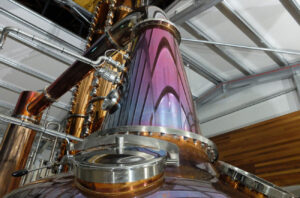
The wash still at Echlinville Distillery
The shape of the new wave
New distilleries are now scattered the length of the country, adding breadth as well as depth of style.
To the island’s north-east, County Down has become something of a distilling hotspot. Within a short drive lie Echlinville, Hinch, Rademon Estate and Killowen. This crop of distilleries has reshaped the region in just over a decade.
Further up the north coast, Ireland’s first whiskey hotel, The Harbourview, in Carnlough, stocks more than 200 whiskeys from across the island – a measure of the momentum behind the revival.
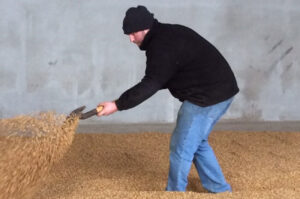
The malting floor at Echlinville Distillery
Flavour-led
As seen in the early flashes of the Irish whiskey revival, distillers are reviving the traditional style – bold, characterful whiskey with depth and texture, once nearly lost but now firmly reclaimed. A growing reverence for the ‘old Irish’ pot still continues. But it’s joined now by distillers moving beyond the triple distillation long tied to Irish whiskey, favouring flavour-led double distillation, longer fermentations and a renewed appreciation of peat.
At Rademon Estate, David and Fiona Boyd-Armstrong run what they understand to be the island’s longest fermentations – 160 to 180 hours. ‘We’re all about that flavour, that funk,’ says David. They also marry single pot still and single malt in an old recipe dubbed a ‘Champagne blend’, with both styles produced and combined at the single-estate distillery. The malt brings smoothness; pot still adds texture and spice.
Just a wee drive across the fields, Hinch is reclaiming smoke. ‘Pre-industrial Irish whiskey was as robust and peaty as Scotch,’ explains brand ambassador, Terry McCartan. ‘It’s only in the last 150 years that people got the idea Irish should be light.’ Hinch’s modern releases are elegant examples – wisps of bonfire and barbecue smoke rather than the punch of their predecessors.
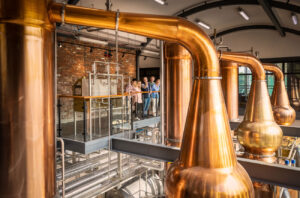
Visitors take a tour at Hinch Distillery
Heritage mash bills
Perhaps the most outspoken movement is happening in the mash tun. A band of merry non-conformists are reviving the mixed mash bills of 19th-century Ireland. That was a time when distillers used whatever the land gave them: barley, oats, wheat and rye.
Later, standardisation and GI laws narrowed the definition of what Irish whiskey could be. Today, some are pushing back, reclaiming those old recipes and, when necessary, bottling proudly ‘non-compliant’ liquid that falls outside the rule book. It’s an impassioned rebellion – less about defying regulation than about restoring authenticity.
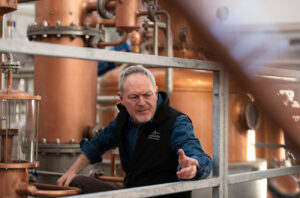
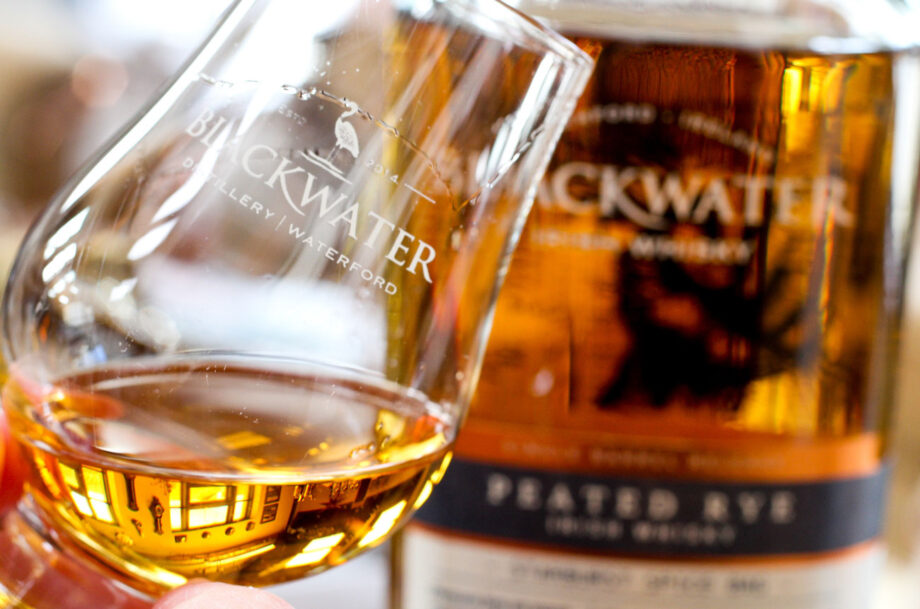
Peter Mulryan of Blackwater Distillery reinvents historic mash bills
Rebels with a cause
At Blackwater in County Waterford, founder and CEO Peter Mulryan produces double-distilled modern riffs on historic recipes. ‘These are back-of-the-envelope mash bills,’ he says, pointing to a board hand-scrawled with various grain combinations. ‘Brewers back in the day weren’t as up on note-taking as we are.’ Mulryan calls his work ‘a manifesto of intent – reclaiming our stolen heritage’.
Further north in Drogheda, Boann delivers the same rebellious spirit from a gleaming distillery of cutting-edge equipment. Some 50 different mash bills are explored here, including unmalted barley coming straight off the surrounding fields.
Guided by historian Fionnán O’Connor, the Cooney family is recreating archival mash recipes, with a particular focus. ‘Oats were once everywhere in Irish whiskey,’ says Patrick Cooney. ‘It’s a shame they’ve been written out of history.’ Like Blackwater, Boann’s occasional non-compliant releases are both a stand against modern GI limits and a celebration of Ireland’s grain diversity.
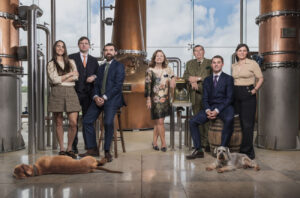
The Cooney family in Boann Distillery
Sense of place
Unsurprising in a land so green and fertile, Ireland’s renewed fascination with heritage grain has brought a rise in farm distilleries and a return to whiskey’s agricultural roots. Echlinville, a single-estate distillery near the shores of Strangford Lough, sows, grows, harvests, malts and mashes barley on site – then ferments, distils, matures, blends and bottles it too. The team is also reviving the historic Ards Malt House and restoring the heritage brand Dunville’s, emphasising further local pride.
Just along the coast, Killowen distils the character of the Mourne Mountains and the Irish Sea through open-top fermenters, allowing wild yeasts to impart local flavour. Flame-fed copper pot stills and worm-tub condensers continue the old ways – reviving forgotten styles of native distilling, as they put it.
Killowen’s sourced releases show Irish whiskey’s creative freedom: spirit here may be aged in any wood, not just oak. Across the country, producers are experimenting with cherry, chestnut, acacia and mizunara, alongside finishes in Cognac, Armagnac and rum casks, adding new layers to the Irish whiskey language.
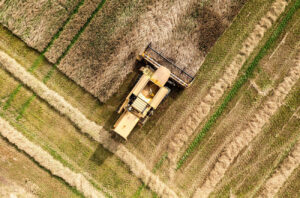
Harvesting grain at single-estate distillery Echlinville
What’s next?
The new Irish whiskey is diverse, breaking free from the single style that defined the past half century. For now, the ‘new Irish’ identity remains fragmented, but over time we can expect regional styles to emerge – reviving, reclaiming and refining what it means to be Irish whiskey. The question is whether we have time.
If Irish whiskey has learned anything from its history, it’s resilience. There’s a hardy ‘ach sure’ optimism that keeps the ship sailing – and a sense that, whatever the weather, they’ll enjoy the journey and fight the tide with spirit.
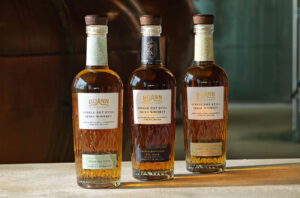
New wave Irish whiskey: six to try
Boann 2021 4 Year Old Oloroso Cask
Irish single pot still whiskey built on a 19th-century mash bill of malted and unmalted barley with oats. Matured in an oloroso Sherry hogshead, it’s rich yet vibrant – orange zest and sultanas meet milk chocolate, burnt sugar and warm nutmeg and ginger baking spice. Exclusive to The Whisky Exchange. Alc 52%
Dirtgrain Irish Whiskey The Manifesto Release
The Manifesto Release of four Dirtgrain whiskeys is a statement of intent from County Waterford’s most rebellious distillery: Blackwater. Four historic mash bills – from 1838, 1893, 1908 and 1915 – have been recreated using Irish-grown grain and double distillation. Each offers a glimpse into lost styles: creamy oats, peppery rye and bright malt. Alc 43-47%
Dunville’s Three Crowns Peated Irish Whiskey
A revival of Belfast legend Dunville’s by Echlinville, Northern Ireland’s first new distillery in over a century. A blend of aged malt and grain whiskeys with subtle smoke, offering toffee, oak spice and a warm finish. Alc 43.5%
Hinch Peated Single Malt Irish Whiskey
Matured in ex-bourbon, Madeira and oloroso casks, this County Down single malt brings a modern touch to traditional Irish smoke. Pineapple and dark chocolate lead into toffee apple, honey and heather. Alc 43%
Killowen Rum & Raisin
A sourced single malt finished in Killowen’s dark rum and PX Sherry casks. Vanilla cream meets treacle sponge, prunes, raisins and lingering spice. Alc 55%
Shortcross Distiller’s Duo
A blend of two styles of whiskey produced by Rademon Estate Distillery: single pot still and single malt produced entirely on a single estate. The malt brings milk chocolate and baked apple and pear; the pot still adds spice and tobacco. Alc 46%