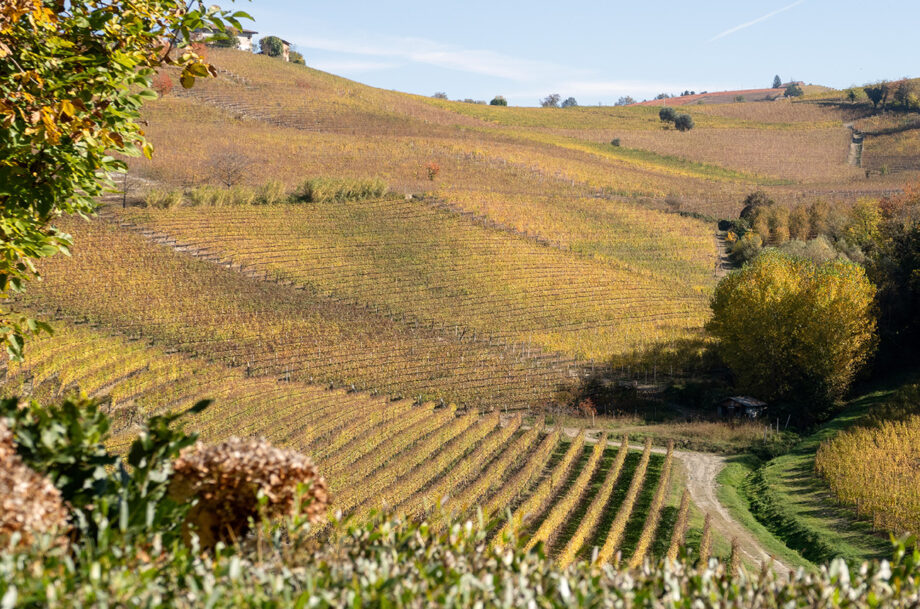
Few names in Barolo make aficionados’ hearts flutter faster than that of Bussia. Among the earliest of the region’s subdistricts to be identified on wine labels, this year’s 2021 vintage release marks the 60th anniversary of the very first Bussia bottling – from the esteemed Prunotto estate.
Alfredo Prunotto established the estate in 1922 upon buying the ‘Ai Vini delle Langhe’ cooperative, which was on the brink of collapse. He and his wife ran the company until retiring in 1956.
As their children showed no interest in taking over, they sold it to their young winemaker friend – the legendary Beppe Colla.
Having previously worked for the largest grape purchasers in the Langhe, Colla knew exactly where to source the best fruit for his wines.
He was also inspired by his travels to Burgundy: while Barolo was traditionally a blend from vineyards in different locations, Colla introduced a Burgundian model, making single-site wines and labelling them as such.
His approach was revolutionary (and criticised) at the time but eventually became widely adopted, paving the way for the huge diversity of site-specific Barolo we see today. Among the sites Colla chose, Bussia was identified for the quality of its tannins.
Notoriously, the Barolo of Colla’s era required years to soften. ‘With a tendency to sweetness, they [Bussia’s tannins] are very silky almost from the beginning of the wine’s life in bottle,’ notes Gianluca Torrengo, Prunotto’s oenologist since 1999.
‘Beppe considered that accessibility of tannins an added value because it meant not having to wait as long.’
Bussia back then was much smaller than the official MGA of today. It corresponded to the area of Bussia Soprana – an amphitheatre that encompasses the vineyards of Gabutti, Colonnello, Cicala and Romirasco (the latter three made famous by Aldo Conterno) – as well as the neighbouring hill which includes Dardi and Mondoca.
However, when Barolo’s MGAs were legally defined in 2010, Bussia was demarcated as a vast area – approximately 4km as the crow flies.
It now extends all the way from the village of Monforte d’Alba to Castiglione Falletto’s southernmost MGAs of Pugnane and Mariondino; an enlargement that Torrengo explains as bureaucratic, ‘because the name Bussia is also used for a river, a road, a central hamlet and an upper hamlet.’
{"content":"PC9wPgo8ZGl2IGNsYXNzPSJhZC1jb250YWluZXIgYWQtY29udGFpbmVyLS1tb2JpbGUiPjxkaXYgaWQ9InBvc3QtaW5saW5lLTUiIGNsYXNzPSJpcGMtYWR2ZXJ0Ij48L2Rpdj48L2Rpdj4KPGgyPlRoZSBuZXh0IGNoYXB0ZXI8L2gyPgo8ZGl2IGlkPSJhdHRhY2htZW50XzU3MTQ5NCIgc3R5bGU9IndpZHRoOiAxMzEwcHgiIGNsYXNzPSJ3cC1jYXB0aW9uIGFsaWduY2VudGVyIj48aW1nIGZldGNocHJpb3JpdHk9ImhpZ2giIGRlY29kaW5nPSJhc3luYyIgYXJpYS1kZXNjcmliZWRieT0iY2FwdGlvbi1hdHRhY2htZW50LTU3MTQ5NCIgY2xhc3M9Imxhenlsb2FkIGJsdXItdXAgc2l6ZS1mdWxsIHdwLWltYWdlLTU3MTQ5NCIgZGF0YS1wcm9jZXNzZWQgc3JjPSJodHRwczovL3d3dy5kZWNhbnRlci5jb20ubWFzdGVyLnB1YmxpYy5rZXlzdG9uZS1wcm9kLWVrcy1ldXcxLmZ1dHVyZXBsYy5lbmdpbmVlcmluZy93cC1jb250ZW50L3RoZW1lcy9zaW1iYS10aGVtZS9hc3NldHMvaW1hZ2VzL3BsYWNlaG9sZGVyLnBuZyIgZGF0YS1zcmM9Imh0dHBzOi8va2V5YXNzZXRzLnRpbWVpbmN1ay5uZXQvaW5zcGlyZXdwL2xpdmUvd3AtY29udGVudC91cGxvYWRzL3NpdGVzLzM0LzIwMjUvMTIvR2lhbmx1Y2EtVG9ycmVuZ28tQWxiaWVyYS1BbnRpbm9yaS1SZW56by1Db3RhcmVsbGFfY3JlZGl0LU1pY2hhZWxhLU1vcnJpcy5qcGciIGFsdD0iR2lhbmx1Y2EgVG9ycmVuZ28sIEFsYmllcmEgQW50aW5vcmksIFJlbnpvIENvdGFyZWxsYSIgd2lkdGg9IjEzMDAiIGhlaWdodD0iMTMwMCIgZGF0YS1zaXplcz0iYXV0byIgZGF0YS1zcmNzZXQ9Imh0dHBzOi8va2V5YXNzZXRzLnRpbWVpbmN1ay5uZXQvaW5zcGlyZXdwL2xpdmUvd3AtY29udGVudC91cGxvYWRzL3NpdGVzLzM0LzIwMjUvMTIvR2lhbmx1Y2EtVG9ycmVuZ28tQWxiaWVyYS1BbnRpbm9yaS1SZW56by1Db3RhcmVsbGFfY3JlZGl0LU1pY2hhZWxhLU1vcnJpcy5qcGcgMTMwMHcsIGh0dHBzOi8va2V5YXNzZXRzLnRpbWVpbmN1ay5uZXQvaW5zcGlyZXdwL2xpdmUvd3AtY29udGVudC91cGxvYWRzL3NpdGVzLzM0LzIwMjUvMTIvR2lhbmx1Y2EtVG9ycmVuZ28tQWxiaWVyYS1BbnRpbm9yaS1SZW56by1Db3RhcmVsbGFfY3JlZGl0LU1pY2hhZWxhLU1vcnJpcy0zMDB4MzAwLmpwZyAzMDB3LCBodHRwczovL2tleWFzc2V0cy50aW1laW5jdWsubmV0L2luc3BpcmV3cC9saXZlL3dwLWNvbnRlbnQvdXBsb2Fkcy9zaXRlcy8zNC8yMDI1LzEyL0dpYW5sdWNhLVRvcnJlbmdvLUFsYmllcmEtQW50aW5vcmktUmVuem8tQ290YXJlbGxhX2NyZWRpdC1NaWNoYWVsYS1Nb3JyaXMtNjMweDYzMC5qcGcgNjMwdywgaHR0cHM6Ly9rZXlhc3NldHMudGltZWluY3VrLm5ldC9pbnNwaXJld3AvbGl2ZS93cC1jb250ZW50L3VwbG9hZHMvc2l0ZXMvMzQvMjAyNS8xMi9HaWFubHVjYS1Ub3JyZW5nby1BbGJpZXJhLUFudGlub3JpLVJlbnpvLUNvdGFyZWxsYV9jcmVkaXQtTWljaGFlbGEtTW9ycmlzLTEzNXgxMzUuanBnIDEzNXcsIGh0dHBzOi8va2V5YXNzZXRzLnRpbWVpbmN1ay5uZXQvaW5zcGlyZXdwL2xpdmUvd3AtY29udGVudC91cGxvYWRzL3NpdGVzLzM0LzIwMjUvMTIvR2lhbmx1Y2EtVG9ycmVuZ28tQWxiaWVyYS1BbnRpbm9yaS1SZW56by1Db3RhcmVsbGFfY3JlZGl0LU1pY2hhZWxhLU1vcnJpcy0zMjB4MzIwLmpwZyAzMjB3LCBodHRwczovL2tleWFzc2V0cy50aW1laW5jdWsubmV0L2luc3BpcmV3cC9saXZlL3dwLWNvbnRlbnQvdXBsb2Fkcy9zaXRlcy8zNC8yMDI1LzEyL0dpYW5sdWNhLVRvcnJlbmdvLUFsYmllcmEtQW50aW5vcmktUmVuem8tQ290YXJlbGxhX2NyZWRpdC1NaWNoYWVsYS1Nb3JyaXMtNjIweDYyMC5qcGcgNjIwdywgaHR0cHM6Ly9rZXlhc3NldHMudGltZWluY3VrLm5ldC9pbnNwaXJld3AvbGl2ZS93cC1jb250ZW50L3VwbG9hZHMvc2l0ZXMvMzQvMjAyNS8xMi9HaWFubHVjYS1Ub3JyZW5nby1BbGJpZXJhLUFudGlub3JpLVJlbnpvLUNvdGFyZWxsYV9jcmVkaXQtTWljaGFlbGEtTW9ycmlzLTkyMHg5MjAuanBnIDkyMHcsIGh0dHBzOi8va2V5YXNzZXRzLnRpbWVpbmN1ay5uZXQvaW5zcGlyZXdwL2xpdmUvd3AtY29udGVudC91cGxvYWRzL3NpdGVzLzM0LzIwMjUvMTIvR2lhbmx1Y2EtVG9ycmVuZ28tQWxiaWVyYS1BbnRpbm9yaS1SZW56by1Db3RhcmVsbGFfY3JlZGl0LU1pY2hhZWxhLU1vcnJpcy0xMjIweDEyMjAuanBnIDEyMjB3IiBzaXplcz0iKG1heC13aWR0aDogMTMwMHB4KSAxMDB2dywgMTMwMHB4IiAvPjxwIGlkPSJjYXB0aW9uLWF0dGFjaG1lbnQtNTcxNDk0IiBjbGFzcz0id3AtY2FwdGlvbi10ZXh0Ij5HaWFubHVjYSBUb3JyZW5nbyAobCk7IEFsYmllcmEgQW50aW5vcmkgKGMpOyBSZW56byBDb3RhcmVsbGEgKHIpLiBDcmVkaXQ6IE1pY2hhZWxhIE1vcnJpczwvcD48L2Rpdj4KPHA+QWZ0ZXIgbWFuYWdpbmcgaXRzIGRpc3RyaWJ1dGlvbiBzaW5jZSAxOTg5LCBBbnRpbm9yaSBhY3F1aXJlZCBQcnVub3R0byBpbiAxOTk0LiBDb2xsYSByZW1haW5lZCBhdCB0aGUgZXN0YXRlIHVudGlsIHRoZSB0cmFuc2l0aW9uIHRvIEFudGlub3JpIHdhcyBjb21wbGV0ZS48L3A+CjxwPlVuZGVyIHRoZSBndWlkYW5jZSBvZiBBbnRpbm9yaSYjODIxNztzIGhlYWQgb2Ygd2luZW1ha2luZywgUmVuem8gQ290YXJlbGxhLCB0aGUgY29tcGFueSBpbW1lZGlhdGVseSBiZWdhbiBidXlpbmcgdmluZXlhcmRzLCBzbyBhcyBub3QgdG8gcmVseSBvbiBwdXJjaGFzaW5nIGZydWl0LjwvcD4KPHA+VGhlIGZpcnN0IHNpdGVzIHB1cmNoYXNlZCB3ZXJlIGxvY2F0ZWQgaW4gQnVzc2lhLCBhbmQgdG9kYXkgdGhlIGVzdGF0ZSBib2FzdHMgYSB0b3RhbCBvZiBlaWdodCBoZWN0YXJlcyBvZiBzb3V0aC0gdG8gc291dGh3ZXN0LWZhY2luZyBwbG90cyBpbiB0aGUgb3JpZ2luYWwgbnVjbGV1cyBvZiB0aGUgTUdBLjwvcD4KPHA+UGllcm8gQW50aW5vcmnigJlzIGVsZGVzdCBkYXVnaHRlciwgQWxiaWVyYSDigJMgbm93IHByZXNpZGVudCBvZiBBbnRpbm9yaSDigJMgd2FzIGluIGhlciBtaWQtMjBzIHdoZW4gc2hlIHdhcyB0YXNrZWQgd2l0aCBtYW5hZ2luZyB0aGUgZXN0YXRlLiBDb21pbmcgZnJvbSBUdXNjYW55LCBzaGUgcmVjYWxscyB0aGF0IOKAmHRob3NlIGZpcnN0IGZldyB5ZWFycywgd2Ugd2VyZSBzaW1wbHkgdHJ5aW5nIHRvIHVuZGVyc3RhbmTigJkuPC9wPgo8cD5IZXIgYWltIHdhcyB0byB3YWxrIHRoZSB0aWdodHJvcGUgYmV0d2VlbiByZXNwZWN0aW5nIGxvY2FsIHRyYWRpdGlvbiBhbmQgbW92aW5nIGZvcndhcmQuIOKAmFdlIGxvb2tlZCBmb3Igd2luZXMgdGhhdCBkaWRu4oCZdCBuZWVkIDQwIHllYXJzIGJlZm9yZSBiZWluZyBkcmlua2FibGUsIHdpdGggYSBjb2xvdXIgdGhhdCB3YXMgcmVkIHJhdGhlciB0aGFuIHJvc8OpLuKAmTwvcD4KPHA+VGhpcyBwZXJpb2QgY29ycmVzcG9uZGVkIHdpdGggYSB0aW1lIHdoZW4gbWFueSBpbiB0aGUgcmVnaW9uLCBpbmNsdWRpbmcgQW50aW5vcmksIHdlcmUgZXhwZXJpbWVudGluZyB3aXRoIGV2ZXJ5dGhpbmcgZnJvbSBtb3JlIGV4dHJhY3RpdmUgbWFjZXJhdGlvbnMgdG8gdGhlIHVzZSBvZiBuZXcgRnJlbmNoIG9hayBiYXJyaXF1ZXMuPC9wPgo8cD7igJhXaGV0aGVyIHRoaXMgd2VudCB0b28gZmFyLCBJIGRvbuKAmXQga25vd+KAmSwgQWxiaWVyYSBtdXNlcy48L3A+CjxoMj5BIHRhc3RlIG9mIHRpbWU8L2gyPgo8ZGl2IGlkPSJhdHRhY2htZW50XzU3MTQ5MyIgc3R5bGU9IndpZHRoOiAxMzEwcHgiIGNsYXNzPSJ3cC1jYXB0aW9uIGFsaWduY2VudGVyIj48aW1nIGRlY29kaW5nPSJhc3luYyIgYXJpYS1kZXNjcmliZWRieT0iY2FwdGlvbi1hdHRhY2htZW50LTU3MTQ5MyIgY2xhc3M9Imxhenlsb2FkIGJsdXItdXAgc2l6ZS1mdWxsIHdwLWltYWdlLTU3MTQ5MyIgZGF0YS1wcm9jZXNzZWQgc3JjPSJodHRwczovL3d3dy5kZWNhbnRlci5jb20ubWFzdGVyLnB1YmxpYy5rZXlzdG9uZS1wcm9kLWVrcy1ldXcxLmZ1dHVyZXBsYy5lbmdpbmVlcmluZy93cC1jb250ZW50L3RoZW1lcy9zaW1iYS10aGVtZS9hc3NldHMvaW1hZ2VzL3BsYWNlaG9sZGVyLnBuZyIgZGF0YS1zcmM9Imh0dHBzOi8va2V5YXNzZXRzLnRpbWVpbmN1ay5uZXQvaW5zcGlyZXdwL2xpdmUvd3AtY29udGVudC91cGxvYWRzL3NpdGVzLzM0LzIwMjUvMTIvUHJ1bm90dG8tQnVzc2lhLTE5NzgtMjAyMV9jcmVkaXQtTWljaGFlbGEtTW9ycmlzLmpwZyIgYWx0PSJQcnVub3R0byBCdXNzaWEgMTk3OC0yMDIxIiB3aWR0aD0iMTMwMCIgaGVpZ2h0PSI4NjAiIGRhdGEtc2l6ZXM9ImF1dG8iIGRhdGEtc3Jjc2V0PSJodHRwczovL2tleWFzc2V0cy50aW1laW5jdWsubmV0L2luc3BpcmV3cC9saXZlL3dwLWNvbnRlbnQvdXBsb2Fkcy9zaXRlcy8zNC8yMDI1LzEyL1BydW5vdHRvLUJ1c3NpYS0xOTc4LTIwMjFfY3JlZGl0LU1pY2hhZWxhLU1vcnJpcy5qcGcgMTMwMHcsIGh0dHBzOi8va2V5YXNzZXRzLnRpbWVpbmN1ay5uZXQvaW5zcGlyZXdwL2xpdmUvd3AtY29udGVudC91cGxvYWRzL3NpdGVzLzM0LzIwMjUvMTIvUHJ1bm90dG8tQnVzc2lhLTE5NzgtMjAyMV9jcmVkaXQtTWljaGFlbGEtTW9ycmlzLTMwMHgxOTguanBnIDMwMHcsIGh0dHBzOi8va2V5YXNzZXRzLnRpbWVpbmN1ay5uZXQvaW5zcGlyZXdwL2xpdmUvd3AtY29udGVudC91cGxvYWRzL3NpdGVzLzM0LzIwMjUvMTIvUHJ1bm90dG8tQnVzc2lhLTE5NzgtMjAyMV9jcmVkaXQtTWljaGFlbGEtTW9ycmlzLTYzMHg0MTcuanBnIDYzMHcsIGh0dHBzOi8va2V5YXNzZXRzLnRpbWVpbmN1ay5uZXQvaW5zcGlyZXdwL2xpdmUvd3AtY29udGVudC91cGxvYWRzL3NpdGVzLzM0LzIwMjUvMTIvUHJ1bm90dG8tQnVzc2lhLTE5NzgtMjAyMV9jcmVkaXQtTWljaGFlbGEtTW9ycmlzLTEzNXg4OS5qcGcgMTM1dywgaHR0cHM6Ly9rZXlhc3NldHMudGltZWluY3VrLm5ldC9pbnNwaXJld3AvbGl2ZS93cC1jb250ZW50L3VwbG9hZHMvc2l0ZXMvMzQvMjAyNS8xMi9QcnVub3R0by1CdXNzaWEtMTk3OC0yMDIxX2NyZWRpdC1NaWNoYWVsYS1Nb3JyaXMtMzIweDIxMi5qcGcgMzIwdywgaHR0cHM6Ly9rZXlhc3NldHMudGltZWluY3VrLm5ldC9pbnNwaXJld3AvbGl2ZS93cC1jb250ZW50L3VwbG9hZHMvc2l0ZXMvMzQvMjAyNS8xMi9QcnVub3R0by1CdXNzaWEtMTk3OC0yMDIxX2NyZWRpdC1NaWNoYWVsYS1Nb3JyaXMtNjIweDQxMC5qcGcgNjIwdywgaHR0cHM6Ly9rZXlhc3NldHMudGltZWluY3VrLm5ldC9pbnNwaXJld3AvbGl2ZS93cC1jb250ZW50L3VwbG9hZHMvc2l0ZXMvMzQvMjAyNS8xMi9QcnVub3R0by1CdXNzaWEtMTk3OC0yMDIxX2NyZWRpdC1NaWNoYWVsYS1Nb3JyaXMtOTIweDYwOS5qcGcgOTIwdywgaHR0cHM6Ly9rZXlhc3NldHMudGltZWluY3VrLm5ldC9pbnNwaXJld3AvbGl2ZS93cC1jb250ZW50L3VwbG9hZHMvc2l0ZXMvMzQvMjAyNS8xMi9QcnVub3R0by1CdXNzaWEtMTk3OC0yMDIxX2NyZWRpdC1NaWNoYWVsYS1Nb3JyaXMtMTIyMHg4MDcuanBnIDEyMjB3IiBzaXplcz0iKG1heC13aWR0aDogMTMwMHB4KSAxMDB2dywgMTMwMHB4IiAvPjxwIGlkPSJjYXB0aW9uLWF0dGFjaG1lbnQtNTcxNDkzIiBjbGFzcz0id3AtY2FwdGlvbi10ZXh0Ij5DcmVkaXQ6IE1pY2hhZWxhIE1vcnJpczwvcD48L2Rpdj4KPHA+RWFybGllciB0aGlzIHllYXIsIEFsYmllcmEgaG9zdGVkIGEgdGFzdGluZyBvZiBQcnVub3R0byYjODIxNztzIEJ1c3NpYSBhdCB0aGUgZXN0YXRlLiBTcGFubmluZyBzaXggZGVjYWRlcywgaXQgY2hhcnRlZCB0aGUgYnJvYWRlciBldm9sdXRpb24gb2YgQmFyb2xvIOKAkyBzdHlsaXN0aWMgdHJlbmRzIHdlcmUgcGFscGFibGUgaW4gdGhlIGdsYXNzLjwvcD4KPHA+QWx0aG91Z2ggdGhlIGluYXVndXJhbCAxOTYxIHdhcyBhYnNlbnQsIHRoZSBsaW5ldXAgZGlkIGluY2x1ZGUgdGhlIGV4Y2VwdGlvbmFsIDE5NzggYW5kIGFsbW9zdCBhcyBvdXRzdGFuZGluZyAxOTg1IHZpbnRhZ2VzIGZyb20gQ29sbGHigJlzIHRlbnVyZS4gQm90aCB3ZXJlIHRocmlsbGluZyByZWxpY3Mgb2YgYSBieWdvbmUgZXJhLjwvcD4KPHA+SSBjb3VsZG7igJl0IGhlbHAgYmVpbmcgaW4gYXdlIG9mIHRoZSAxOTc4LiBTdGlsbCB2aWJyYW50IGFuZCBzdGVlbHkgYXQgYWxtb3N0IDUwIHllYXJzIG9sZCwgaXQgd2FzIGltcG9zc2libGUgdG8gZmF0aG9tIGl0IGluIGl0cyB5b3V0aC4g4oCYSXQgbXVzdCBoYXZlIGJlZW4gbGlrZSBkcmlua2luZyBsZW1vbmFkZSzigJkgQWxiaWVyYSByZW1hcmtlZCB0byBtZS48L3A+CjxwPlRoZSAxOTc4IHdhcyBhbHNvIHRoZSBvbmx5IFJpc2VydmEgaW4gdGhlIHJvc3RlcjogdW50aWwgMTk4MywgdGhlIENvbGxhIGZhbWlseSBkZWNsYXJlZCBhbG1vc3QgYWxsIHRoZWlyIHNpbmdsZS1zaXRlIHdpbmVzIGFzIHN1Y2guPC9wPgo8cD5UaGUgd2luZXMgZnJvbSAxOTk2LCAyMDA0IGFuZCAyMDA4IHJlcHJlc2VudGVkIGEgdHJhbnNpdGlvbmFsIHBoYXNlLiBEZWVwZXIgaW4gaHVlIHdpdGggbW9yZSB2b2x1bWUgYW5kIGJ1bGssIHRoZXkgYXJlIGFnZWluZyBsZXNzIGdyYWNlZnVsbHkgdGhhbiB0aGUgb2xkZXIgZXhhbXBsZXMuPC9wPgo8cD5XaGlsZSBub3QgbGFja2luZyBpbiBmbGFzaHkgY2hhcm0sIHRoZSBkZW5zZSwgZXh0cmFjdGVkLCBvYWstdGluZ2VkIDIwMDQgd2FzIHRoZSBtb3N0IGlsbHVzdHJhdGl2ZSBvZiB0aGVzZSBleHRyZW1lcywgd2hlcmVhcyB0aGUgMjAwOCBzdWdnZXN0ZWQgYW4gZWFzaW5nIHVwLjwvcD4KPGgyPkxvb2tpbmcgYWhlYWQ8L2gyPgo8cD5UaGUgZmluYWwgdGhyZWUgdmludGFnZXMgcG91cmVkIOKAkyAyMDE2LCAyMDE5IGFuZCAyMDIxIOKAkyBkZW1vbnN0cmF0ZWQgdGhlIGRpcmVjdGlvbiB0aGF0IEFudGlub3JpIGhhcyB0YWtlbiBQcnVub3R0byBhZnRlciBtdWNoIGludGVybmFsIHJlZmxlY3Rpb24uPC9wPgo8cD5JbiB0ZXJtcyBvZiB3aW5lbWFraW5nLCBleHRyYWN0aW9ucyBhcmUgbm93IG11Y2ggZ2VudGxlciwgYW5kIG1hY2VyYXRpb25zIHJlbGF0aXZlbHkgc2hvcnQgKGFwcHJveGltYXRlbHkgMTAgZGF5cykuIEZyZW5jaCBvYWsgaXMgc3RpbGwgcHJlZmVycmVkIGJ1dCB0aGUgY2Fza3MgYXJlIG1lZGl1bSB0byBsYXJnZSBpbiBzaXplICgyNSB0byA3NSBoZWN0b2xpdHJlcykuPC9wPgo8cD7igJhUaGUgbGFzdCAxMCB5ZWFycyBzaWduaWZ5IGEgdHVybmluZyBwb2ludCzigJkgYXNzZXJ0ZWQgQ290YXJlbGxhLCB3aG8gd2FzIGNhbmRpZCBhYm91dCBoaXMgbGVhcm5pbmcgY3VydmUgd2l0aCBOZWJiaW9sby4g4oCYTm93IHdlIGFyZSBsb29raW5nIHRvIGJyaW5nIGRlcHRoIG9mIGZsYXZvdXIgd2l0aG91dCB3ZWlnaGluZyB0aGUgd2luZSBkb3duLuKAmTwvcD4KPHA+SW5kZWVkLCB0aGUgdHJpbyB3YXMgdW5pdGVkIGJ5IGEgdG9uZWQsIGJhbGxldGljIGZyYW1lIHJhdGhlciB0aGFuIGJvZHktYnVpbGRlciBtdXNjbGVzLjwvcD4KPHA+VGhlIDIwMTYgc3RydWNrIG1lIGFzIHNvbWV3aGF0IG5hw692ZSwgdGhvdWdoIGl0cyBwdXJpdHkgYW5kIGZpbmVzc2Ugb2YgdGFubmlucyB3ZXJlIHVuZGVuaWFibGUuIEJvdGggMjAxOSBhbmQgMjAyMSBhbXBsaWZpZWQgdGhlc2UgYXR0cmlidXRlcywgc2hvd2luZyBncmVhdGVyIHNvcGhpc3RpY2F0aW9uIGFuZCBpbnRyaWNhY3ksIHBhcnRpY3VsYXJseSBpbiB0aGUgZm9ybWVyLjwvcD4KPGRpdiBjbGFzcz0iaW5qZWN0aW9uIj48L2Rpdj4KPHA+SXQgcmVtYWlucyB0byBiZSBzZWVuIGlmIHRoZXNlIHJlY2VudCByZWxlYXNlcyB3aWxsIGVuZHVyZSBhcyBsb25nIGFzIHRoZWlyIHByZWRlY2Vzc29ycyBmcm9tIHRoZSAxOTcwcyBhbmQgMTk4MHMuIEhvd2V2ZXIsIHRoZXkgYXJlIGNsZWFybHkgcG9pc2VkIHRvIG9mZmVyIGltbWVuc2UgZHJpbmtpbmcgcGxlYXN1cmUgdGhyb3VnaG91dCB0aGUgYXJjIG9mIHRoZWlyIGV2b2x1dGlvbiDigJMgc29tZXRoaW5nIHRoYXQgY291bGRu4oCZdCBuZWNlc3NhcmlseSBiZSBzYWlkIGFib3V0IHRoZSBCYXJvbG8gb2YgeWVzdGVyeWVhci48L3A+CjxwPgo="}
Prunotto’s Bussia: Tasting back in time
Below, Michaela picks out her six top wines from a tasting which spanned six decades of Prunotto’s Bussia label
{}
{"wineId":"103383","displayCase":"standard","paywall":true}
{"wineId":"103384","displayCase":"standard","paywall":true}
{"wineId":"103385","displayCase":"standard","paywall":true}
{"wineId":"103386","displayCase":"standard","paywall":true}
{"wineId":"103387","displayCase":"standard","paywall":true}
{"wineId":"93726","displayCase":"standard","paywall":true}
{}
Italy newsletter: Sign up today
Get the best recommendations, vintage analysis, regional and cultural insights and more delivered to your inbox once a month, helping you to stay up-to-date with the latest in Italian wine.

Related articles