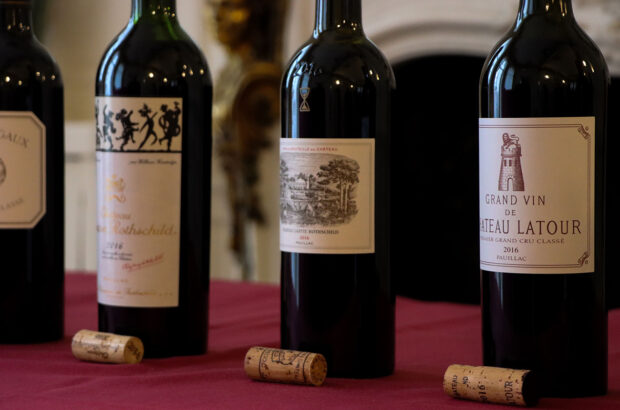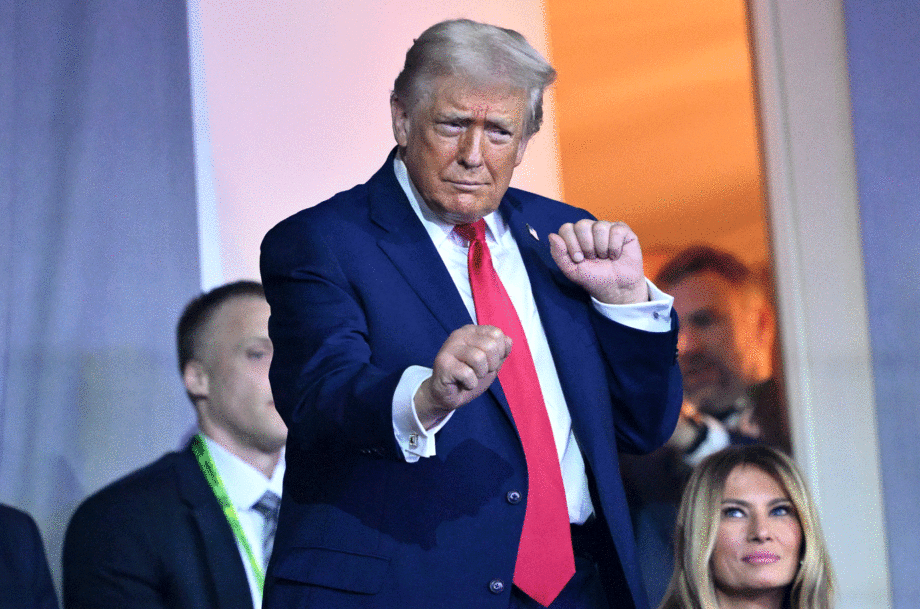
On 20 January, French President Emmanuel Macron sharply criticised US President Donald Trump after Trump threatened to impose 200% tariffs on French wine and Champagne, a warning that came amid rising tensions over US-European relations and Trump’s push for US control of Greenland.
The dispute deepened after Macron declined to participate in a US-led peace initiative, prompting Trump to publicly signal that punitive trade measures on French wine would follow if France did not join.
Trade war implications
From an economic standpoint, a 200% tariff would effectively eliminate most French wine from the US market, according to an analysis made by VIVI Economics.
French wine currently enters the US at an average landed value of $11.80 per bottle. A tariff of this magnitude would add $23.60, tripling the cost before state taxes, distributor fees, and retail markups. Under such conditions, imports of bottled French wine would collapse.
The implications for the broader US wine market would be meaningful, but not catastrophic. In 2025, the US imported 167 million gallons (about 70 million cases) of French wine. This equates to 15% of total imports and 5% of domestic consumption. While the loss of this supply would be disruptive, it would not create an outright shortage.
US wine inventories currently sit well above demand and would cushion the immediate impact.
If tariffs persist, VIVI Economics estimates that average US retail wine prices would rise by roughly 2% above baseline projections within six months. While French wine occupies a premium position, many high-quality producers in the US and other regions are struggling to find buyers and could fill shelf space relatively quickly. That adjustment, however, would come at the expense of consumer choice. American drinkers with a preference for French wine would be forced to reconsider, as most of the tariff burden would have to be borne by US consumers.
Bubbles, bubbles, tariff troubles
The impact on sparkling wine would be far more acute. France supplies approximately 45% of the sparkling wine consumed in the US, and viable substitutes for Champagne are limited.
Prices would surge, pushing even entry-level Champagne into luxury territory. For these reasons, it would not be surprising if Trump exempts Champagne, as he did during his first presidency. If such exemptions were granted, the affected trade volume would shrink to roughly 109 million gallons.
Restaurants and wine bars would face immediate pressure. French restaurants in the US would be especially exposed, as wine pairings are central to their dining experience. Wine’s share of restaurant alcohol sales has already declined over the past four years due to rising prices, and further increases would accelerate consumer shifts toward beer and cocktails.
The pain for French producers
For France’s wine industry, the consequences would be severe. In 2025, French wine exports to the US totalled €5.2bn ($5.7bn), representing roughly 20% of the total value of France’s global wine exports.
Losing access to the US market would force producers to redirect supply rapidly, leaving consumers in Europe and Canada with a sudden abundance of high-quality French wine. If tariffs persist for more than a year, downsizing across France’s wine sector would likely accelerate.
In the short run, that displaced wine would have to go somewhere. Much of it would remain in Europe or be diverted to nearby markets such as Canada, increasing supply and pushing prices down, at least initially benefiting consumers in those regions.
The downside would be intensified competition and thinner margins, not only for French producers but also for wineries already focused on those markets, which would suddenly find themselves competing with an unexpected surge of French wine.
Ultimately, a 200% tariff on French wine would function less as a negotiating tool and more as a blunt consumer tax. American drinkers would face higher prices and fewer choices, while France’s wine industry would absorb lasting damage.
But the effects would not stop at the US-France border. Wine is a globally integrated market with long production cycles and limited short-term flexibility. When political shocks sever a major trade route, the resulting imbalances ripple outward, reshaping prices, trade flows, and investment decisions across continents.
Trade wars may generate headlines, but in wine markets, the consequences linger long after the politics move on.
Trump also threatened extra tariffs on European countries over their stance on Greenland. By Thursday (22 January), however, the US president had reportedly backed away from this, citing a ‘framework’ for a future deal, although the situation remained uncertain.