If sake is an acquired taste, then the world is divided into two kinds of people: those who have acquired the taste and those yet to acquire it.
For wine lovers especially, you will find many familiar elements in sake – similar or slightly higher alcohol levels, fruitiness ranging from floral and citrusy to savoury, earthy and tropical (but with generally much milder acidity), and diverse styles that include vibrant sparkling to sherry-like aged versions.
Our ability to identify the flavours of wine and our understanding of how the final drink is shaped by the raw material – from grape varieties to rice varieties and polishing ratios – together with the delicate adjustments made by the winemaker or Toji (master brewer), put us in an advantageous position to explore and appreciate sake. Let’s begin the journey by briefly talking about the basics.
Scroll down for our sake recommendations

Sake Dewazakura Oka
The basics
Sake just means alcohol (酒) in Japan, whereas the rice-based drink that we know as sake is in fact called ‘Nihonshu 日本酒’, Japanese alcohol made from rice. Derived from ancient China, rice-based alcohol beverages have been made in Japan for over 1,000 years.
Many (some say 100) varieties of rice can be used for sake production. The most widely used sake rice include Yamadanishiki 山田錦, Gohyakumangoku 五百万石 and Miyamanishiki 美山錦. These are deemed most suitable for making sake due to the large percentage of the ‘white heart 心白’ – or the starch in the core.
Sake generally weighs in at around 15–20% abv (so not too far from wine), depending on the style and production method. It has just a fifth of the acidity of wine. What it lacks in wine’s crisp, refreshing acid bite, however, it more than makes up for in texture, subtlety of flavour and diversity of style.
Polishing
Quality grades are determined by the polishing ratio, or ‘Semai Buai 精米歩合’. This ratio indicates how much of the rice grain is milled away, removing the protein and fat on the translucent exterior, before the starchy core is revealed and ready to be converted by the koji mould to fermentable sugar.
Generally speaking, sake gets more expensive when more rice is milled away (at a lower polishing ratio) and tends to showcase a more delicate, fruity aroma profile. However, it’s worth noting that the milling ratio isn’t necessarily an indicator of quality. The savoury, punchy rice flavours from protein and fat, which are considered an impurity, may well be the desired style for some producers.
Fermentation
Perhaps the most significant contribution to the style and flavour comes from the aims and techniques of the ‘Toji 杜氏’, the master brewer.
For the most common production method, the rice is first washed, steamed and cooled. A small proportion of the rice is then spread out on wooden tables, where the starch is broken down into fermentable sugar by the addition of koji mould spores. Subsequently, more steamed rice, yeast, and beneficial bacteria are added, allowing the simultaneous transformation of starch to sugar and sugar to alcohol.
More variations in flavour can also come from the method used to break the rice down into a sugary porridge, where slower, more traditional approaches and careful temperature control can lead to deeper and more savoury expressions.
By the end of fermentation, the brewer has the option to add alcohol to refine the flavour profiles or keep the sake ‘Junmai (purely rice or 純米)’.
Decisions at the bottling stage, such as whether to pasteurise, when to do so, and how many times, can also shape the flavour and the longevity of the final product.
Sake styles to know
Daiginjo 大吟醸 – Super premium sake with a 50% polishing ratio. Usually showcasing elegant fruity, floral perfume with great purity and finesse. If there is no indication of ‘Junmai’ on the label, it means the sake is polished by a splash of distilled alcohol.
Ginjo 吟醸 – Premium fragrant sake with a 60% polishing ratio, can have a slight hint of savoury complexity. Also contains additional alcohol if no mention of Junmai on the label.
Honjozo 本醸造 – The entrance to the premium category – made using rice polished to 70% and up to 10% alcohol – tends to yield an easy-drinking, ‘ricey’ and less aromatic sake.
Junmai 純米 – Literally, it means ‘purely rice’. It refers to sake made with nothing other than rice, water, yeast and Koji fungus. Junmai sakes, compared to styles made with added alcohol, tend to exhibit a richer mouthfeel and more savoury and complex flavours. The term, on its own, doesn’t indicate a milling ratio. When appended to Daiginjo and Ginjo, it suggests that the premium sake hasn’t been fortified with alcohol.
Futsushu 普通酒 – ‘Basic alcohol’. The basic table sake that is widely available. There are no limits to the milling ratio, the use of rice varieties, or the choice of additives (including alcohol and sugar). Quality sakes with a wide range of flavours and styles can be found in this category, and they usually offer great value.
Broadly speaking, Daiginjo and Ginjo, with their beguiling fruity and floral fragrances, tend to be popular as chilled drinks while Honjozo and generic Junmai sakes can often offer a broader range of flavour and versatility, especially when drunk with food, and can be served at a wider range of temperatures.
Our top sake picks
While a little learning can prise the gates to sake heaven ajar, only the taste will fling them open and convert you to the delights of Japan’s national drink.
Here we have listed 21 picks, fresh from the 2025 edition of the British Sake Association’s grand tasting and beyond, covering a wide range of styles and characters – all ideal for wine lovers beginning to explore the category. Kanpai!
*Prices accurate at time of publishing
Value tries under £25
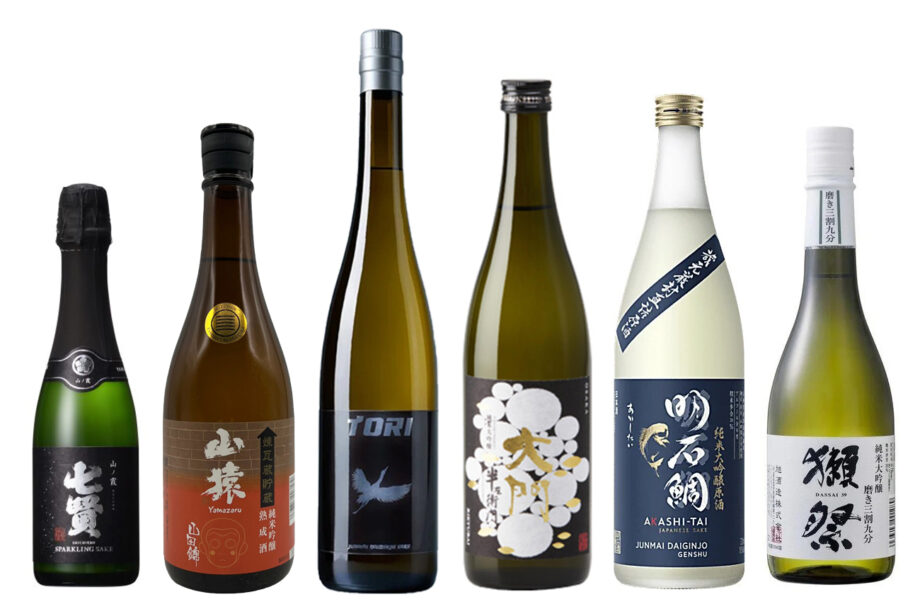
Shichiken, ‘Yama No Kasumi’ Sparkling Sake
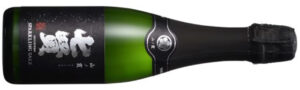
Made in the Champagne method, this is a cheerful crowdpleaser. Melon and green fruits lead the nose with a touch of steamed rice creaminess. Lightly citrusy and vibrant with generous bubbles, it is smooth in texture and light-hearted, showing plenty of honeydew melon and a hint of yuzu peel on the crisp finish. Perfect with a wide range of dishes.
£24.50 for half bottle at Amathus
Takara Shuzo, Sho Chiku Bai Shirakabegura, MIO Sparkling Sake

A cheerful, crisp sparkling sake with a polishing ratio of 69%. Blossom, melon, freshly squeezed pear juice and steamed rice perfume. Zesty citrus on the sweet and fruity palate, accompanied by notes of banana peel and egg tart. With an alcohol content of just 5%, it’s easily enjoyable. Chilling is a must.
£5.60 for 150ml and £9.90 for 300ml at Yutaka
Akashi-Tai, Junmai Sparkling Sake
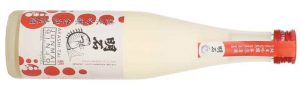
The Junmai sparkling sake from Akashi-Tai was naturally fermented in the bottle to create fizz. It features aromas of freshly steamed sticky rice and jasmine blossom on the nose, followed by a crisp palate of citrus and ripe pear, with lovely acidity to balance. With alcohol content at a mere 7%, it’s easy to drink and cleansing, making it great for pairing with raw fish.
£15 for 300ml at Master of Malt
Lachamte, Sparkling Junmai Hideyoshi
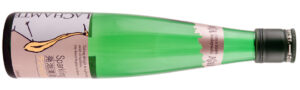
This might not be one of those crisp all-rounders but it is packed with character. For anyone who prefers a more salty, earthy and lactic style of sake, this will be a treat. Extremely savoury on the nose with miso paste, soya beans, dried figs and bacon. Zingy red-berry acidity follows, with cranberry fruits, yogurt, red apple and soya leading to a lovely savoury depth on the finish. Maybe not for everyone – but at an affordable price it could be a fascinating new discovery for you.
£15 for 280ml at Suzune
Shimizu Seizaburo Shoten, ZAKU Junmai ‘Ho no Tomo’

The producer was founded in 1869 in Suzuka, Mie Prefecture, a region blessed by the springs of the Suzuka Mountains and top-quality rice from the Ise Plain. It crafts a brilliant, fruity Junmai sake with a 60% polishing ratio. Aromas of pear skin, melon, steamed rice and cereal greet the nose. The palate is smooth and sweet, reminiscent of pear drops with crisp freshness. A quaffable beauty perfect for everyday enjoyment.
£10 for 750ml at Kurashu
Sora Junmai Sake
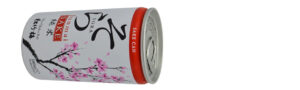
An easy-drinking and affordable canned Junmai sake, perfect for those who’d like to give sake a try for the first time. Creamy rice porridge and yuzu zest on the nose and palate, smooth with a gentle hint of pepper, it finishes clean on the drier side. A delightful thirst cruncher at any occasion.
£6 for 180ml at Yutaka
Browse by style: Rice only (‘Junmai’)
Heavensake, Junmai 12
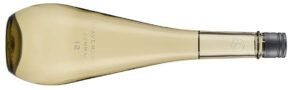
The Heavensake Junmai 12 marks the collaboration of Régis Camus – the acclaimed Champagne winemaker – and Hyogo-based family producer Konishi. Savoury on the nose with seaweed, salted caramel and honeydew melon. Fresh and dry on the palate with nutty umami depth and a clean finish. An affordable entry-level sake that offers an easy way to explore the range.
£29.95 for 720ml at DrinksOne
Shichiken, Junmai Ginjo Sake
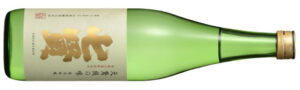
A Ginjo sake at 57% polishing ratio from Yamanashi. Creamy citrus and melon with fresh blossom on the nose. The palate shows plenty of juicy melon and ripe peach with great purity and hints of savoury, ricey umami. Easy-drinking with a velvety texture (as the label ‘天鵞絨’ suggests), fresh acids and a clean finish with a touch of peppercorn. A refreshing, classic choice.
£33 for 720ml at Amathus
Nanbu Bijin, Tokubetsu Junmai
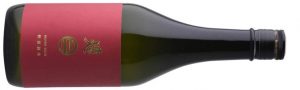
The Nanbu Bijin Brewery was founded in 1902 in Ninohe city, Iwate. This special pure rice sake has been pasteurised only once in the bottle to best preserve the complex aroma of the raw sake. With ripe yellow apple and a hint of savoury bacon on the nose, it is gentle and smooth on the palate, featuring sweet pear and melon flavours balanced by citrus peel bitterness and mild acidity.
£34.99 for 720ml at London Sake
Kay Sake, Junmai Daiginjo
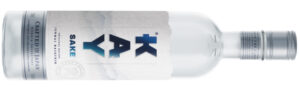
A crisp, fresh Junmai Daiginjo from Niigata. Citrusy and floral with nashi pear on the nose and palate. Creamy rice pudding richness is refreshed by decent acidity, leading to a clean finish. An light-hearted, allrounder food sake.
£34.60 per bottle at Amathus
Urakasumi, Misty Bay Junmai
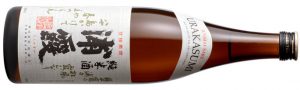
Established in 1724, the Urakasumi Brewery is located in the town of Shiogama on the east coast of Japan. Fresh citrus zing overlays a nose of sweet pear and peach in the ‘Misty Bay’ Junmai sake from Urakasumi. The sake uses rice milled down to 65%, featuring a pure and soft palate of sticky rice cake and mellow pear liqueur, with a lovely line of acidity to refresh. The finish is dry and clean, with umami notes lingering on.
£35.99 for 720ml at London Sake
Dassai, 39 Junmai Daiginjo
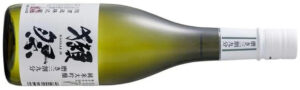
The number ‘39’ indicates the polishing ratio and also hints at the style of this classy, refined Junmai Daiginjo from Dassai. Delicate and fruity on the nose with creamy melon, mango, pear and white blossom. Sitting on the drier side, the 39 entices with lovely freshness on a silky, well-integrated palate of white and yellow fruits, finishing with a pinch of white pepper.
£42.99 for 720ml at London Sake
Daimon, Rikyubai Hanzaemon
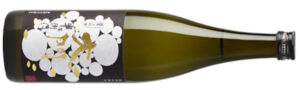
At the summit of Daimon brewery’s Rikyubai range, the name ‘Hanzaemon’ pays tribute to the brewery’s founder – the ancestor of the current Toji. Banana peel, yogurt and a touch of peppermint on the nose. Generous and warm exotic fruits, rice pudding and some yellow fruits on the palate, dusted with hints of sweet spices. A Junmai Daiginjo with a polishing ratio of 50%.
£42.50 for 720ml at More Sake
Shirakabegura, Junmai Daiginjo

The Junmai Daiginjo sake is made using 100% Yamadanishiki rice (milled down to 45%) and the water of Miyamizu. Red berry candy and banana on the nose, followed by gentle, pure sweetness of steamed rice and honeydew melon, with a fragrant, lingering finish.
£42.99 for 640ml at London Sake
Akashi Tai, Junmai Daiginjo Genshu
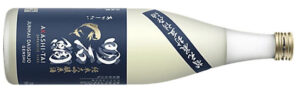
A constant resident in my fridge – this is a comforting Genshu (undiluted) Junmai Daiginjo with fantastic purity and floral charm. With a milling ratio of 38%, it boasts ripe nashi pear, melon, yuzu citrus and yogurt on the nose. Lovely citrusy freshness sits behind a mouthful of honeydew melon, rice pudding and banana peel. A satisfying sipping sake that is enjoyable even for those who are not familiar with the category.
£25.95 for 300ml at Lea & Sandeman and £47.25 for 720ml at Master of Malt
Essence 5 by Chartier, Drunk Monkey
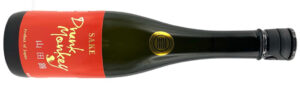
The ‘Essence 5’ range was created by aroma specialist François Chartier. The ‘Drunk Monkey’ was crafted in collaboration with Nagayama Sake using 100% Yamada Nishiki rice at a 40% polishing ratio. Fresh and fruity on the nose with citrus, green apple peel and jasmine blossom. Silky on the palate with ripe melon, refreshed by decent natural acidity. Easy-drinking purity with hints of umami toward the finish.
£48.90 for 500ml at Mai Sake
Essence 5 by Chartier, Yamazaru Aged Sake 2019
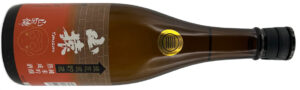
Most sakes are made for drinking fresh but some are also capable of ageing, as this one shows. Made by the same producer of the ‘Drunk Monkey’, the ‘Yamazaru (mountain monkey)’ offers a savoury, complex style derived from six years of ageing in steel tanks. Citrusy yogurt on the nose with pronounced savoury notes of salted caramel and butterscotch. Rich and rounded on the creamy palate with rice porridge, melon, banana peel and sweet spices, backed by fantastic freshness. Complex but clean.
£59.25 for 720ml at Mai Sake
Kanpai, ‘Tori’ Junmai Daiginjo

With only 500 bottles crafted by this London-based craft sake producer, this is a serious treat for enthusiasts curious about a UK expression of Junmai Daiginjo. Ricey, savoury notes are underlined by ripe yellow fruits with hints of yogurt. Smooth and juicy on the palate with lovely freshness. An abundance of rice pudding garnished with yuzu and green apple peel. Minerality is the key point of difference here – thanks to the mineral-rich water in the UK – which tends to result in more ‘aggressive’ fermentation, according to the producer.
£60 for 750ml at Kanpai London Craft Sake
Opt for the producer’s more affordable Honjozo ‘Hiro’ Genshu (undiluted sake) for a more savoury, drier, bolder and more spiced option – which the producer recommends enjoying over an ice cube.
£38.00 for 750ml at Kanpai London Craft Sake
Browse by style: Fortified with alcohol (‘Honjozo’ & ‘Ginjo’)
Hatsumago, Densho Kimoto Honjozo

First founded in 1893, the brewery adopted the name ‘Hatsumago’ (meaning ‘first grandchild’ in Japanese) in 1930 following the birth of the family’s first grandchild. The producer is known for the traditional Kimoto method of sake brewing. This is a funky, vinous Honjozo sake, featuring a nose of bruised apple, miso paste and sour berry candy, which follows to the mild palate, in addition to almonds and citrus zing. Complex and fun.
£29.99 for 720ml at London Sake
Konishi Shuzo, Hiyashibori ‘Konishi Silver’ Ginjo

The Konishi family first started making sake in 1550, even earlier than the Itami region developed the technique of making ‘clear sake’. This is a fresh, welcoming entry-level sake featuring Jasmine rice, white fruits and pear blossom. Mellow, smooth and easy-drinking, relatively dry on the palate with a cleansing finish. One for food.
£21 for 720ml at Tengu Sake
Tosatsuru, Azure Ginjo Sake

Bottled in an ocean blue bottle and made using Yamada Nishiki rice, the Azure Ginjo sake from Tosatsuru has a vinous nose backed by tropical fruits such as pineapple and mango, in addition to fresh citrus. Ripe peach and steamed rice sweetness are well balanced with limey acidity, followed by a savoury, warming finish.
£44.99 for 720ml at London Sake