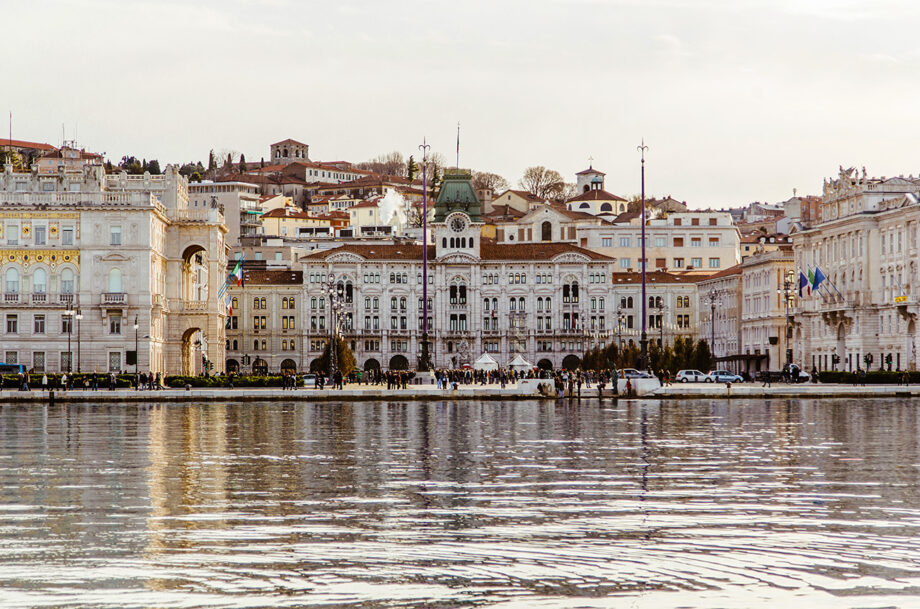
With its complex past and rich cultural mix, the coastal city of Trieste at Italy’s most northeasterly tip has a vibrant, vigorous atmosphere buoyed by the locals’ cheerful irony. The traditional cuisine, also full of contrasts, is underpinned by a thriving, well defined wine scene.
This compact, cosmopolitan city near the Slovenian border stretches along the Gulf of Trieste like a wide-toothed comb, with a series of jetties ideal for enjoying sunsets over the sea.
Trieste’s rich history is evident in its architecture, from the ancient Roman sites and narrow streets of the old town with the medieval castle on San Giusto hill and adjacent cathedral boasting magnificent mosaics, to the grand seafront Piazza Unità d’Italia, Trieste’s heart, with statuesque palazzi on three sides.
Just beyond is the regular grid of 18th century Borgo Teresiano and, further on, the Porto Vecchio industrial archaeology site, partially converted into a cultural hub with some of Trieste’s numerous museums and more planned.
Five centuries of Habsburg rule shaped Trieste’s fortunes. The city flourished, especially after becoming a Free Port in 1719, attracting international traders; coffee has been a major commodity ever since.
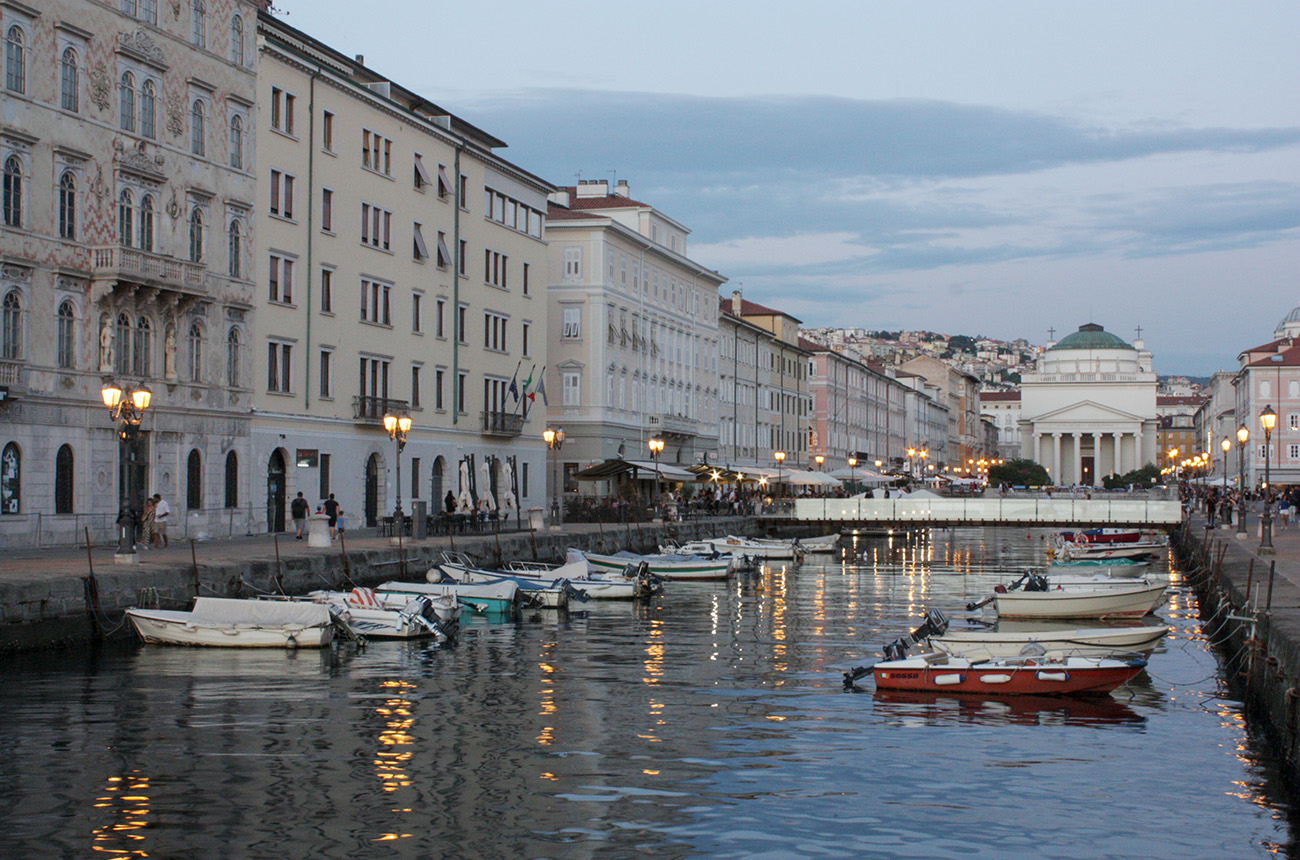
Trieste’s Grand Canal. Credit: Sarah Lane
October sees the Trieste Coffee Festival (triestecoffeefestival.it) and historic cafés once frequented by writers like Italo Svevo and James Joyce are popular. There’s even local coffee terminology: ask for a nero instead of espresso, or capo in B for macchiato in a glass.
Much of central Trieste is pedestrianised, with outdoor tables at smart fish restaurants and low-key buffets (see below). Olive oil, including Trieste’s intense Tergeste DOP, is taken seriously and there’s an annual expo (oliocapitale.it).
Wine lists are dominated by largely still, mono-varietal Carso DOC wines from five native grapes: delicately fragrant Vitovska – naturally resistant to the strong Bora wind and ideal with seafood; intense, savoury Malvasia Istriana – sometimes macerated; fruit-filled Glera; Refosco dal Peduncolo Rosso, with spicy berry aromas; and related Terrano – both reds perfect with typical pork specialities.
The Amber Wine Festival (amberwinefestival.com) held in May provides a host of skin-contact wines to enjoy from local producers including Radikon, Dario Prinčič and Merlak, as well as some from further afield.
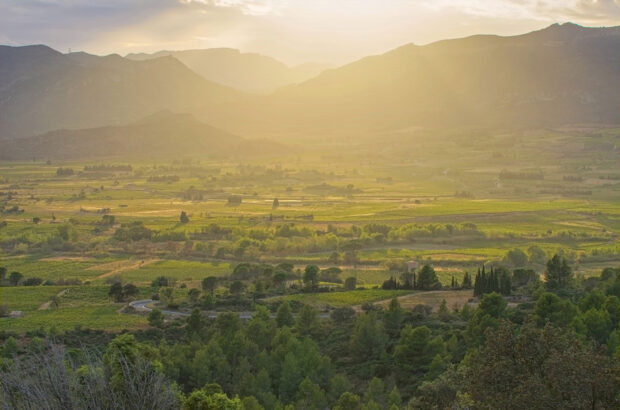
The Carso plateau rises steeply behind Trieste and gives its name to karstic geological phenomena including sinkholes and underground rivers created by dissolved limestone. Soils are iron-rich and calcareous to the north, clay-based further south, and wineries in the region are mostly small-scale.
Many winemakers follow the Carso area’s osmize tradition, opening temporarily to serve platters and wine (see below). A historic tram runs between Trieste and Carso town, Opicina, where there’s a new wind-themed museum and the Strada Napoleonica footpath, edged by rock where climbers train. It leads to the modest village of Prosecco, with superb panoramas over the sea and Miramare castle (see below).
Miramare and nearby Bàrcola, where locals swim and sunbathe, and which the international Barcolana regatta is named after, have seasonal ferries from Trieste, while boats run year-round to Muggia.
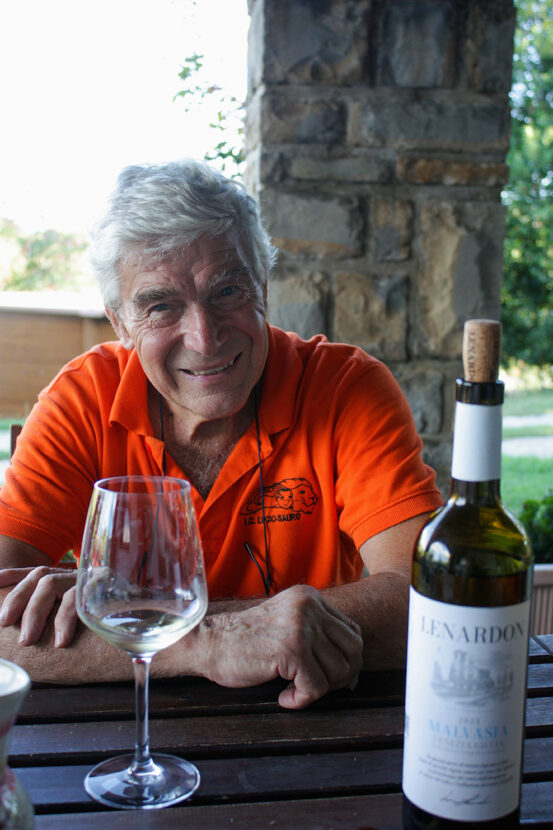
Bruno Lenardon. Credit: Sarah Lane
A pretty fishing port with a relaxed vibe that contrasts with lively Trieste, Muggia is the first town of the Istrian peninsula – the last on Italian territory. Here, Bruno Lenardon’s 3.5ha wine and olive estate (olioevinilenardon.it) has a curious story: in 1954, following frontier reshuffles, the family found an international border running through their home and Yugoslav soldiers monitoring them.
Nowadays Lenardon’s house and vines, some pergola-trained and over a century old, are all on Italian soil, though some olives grow in Slovenia. His wines include wonderfully fresh Malvasia and rich, lemony Moscato.
Where to eat and drink in Trieste
Wine bars
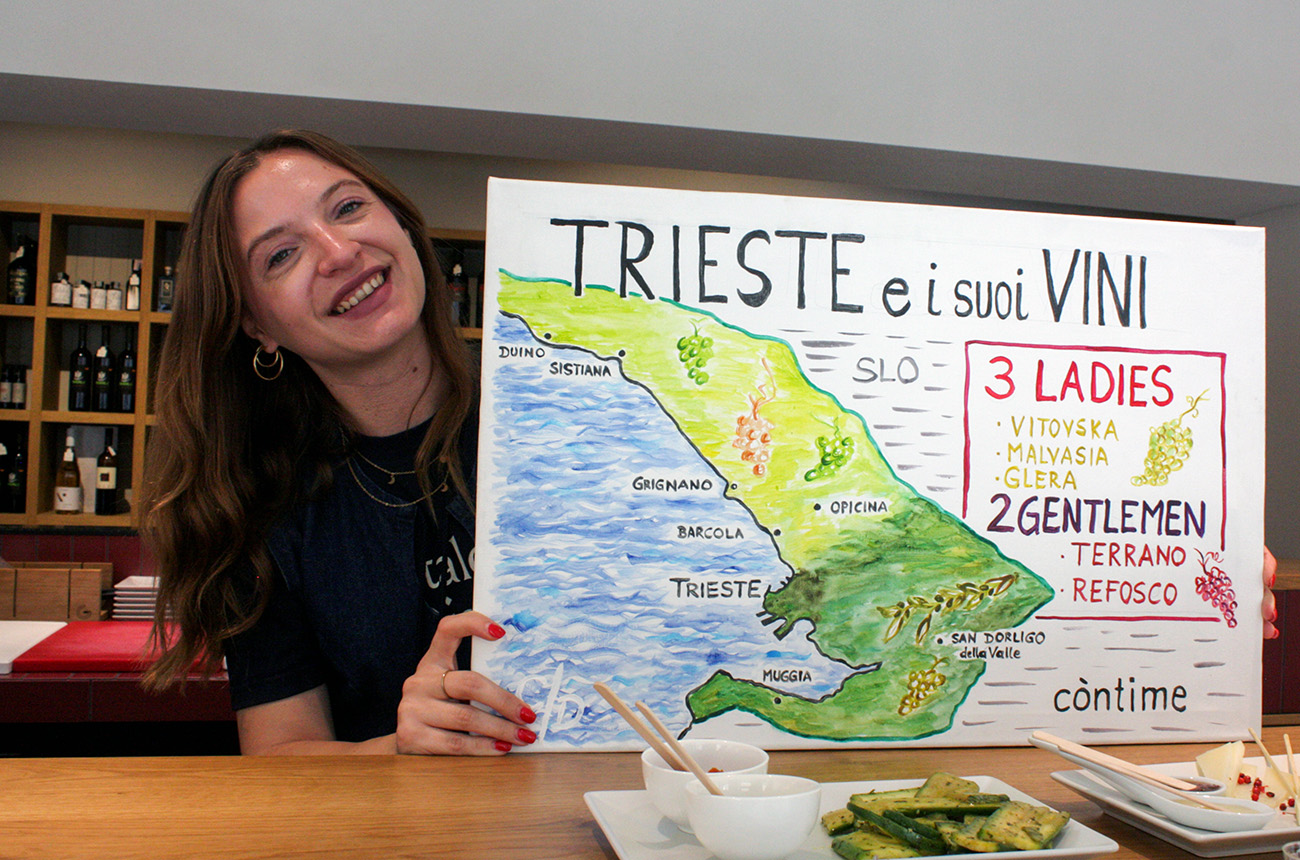
Alessia at Còntime. Credit: Sarah Lane
Còntime (contimetrieste.it) is the place to start exploring Trieste’s wine scene. Wines, olive oil, salumi and cheeses are only from the province, and Alessia provides insights with enthusiasm.
Cosy Enoteca Nanut (facebook.com/enotecananut) is a locals’ favourite for its vast, ever-changing variety of wines, Luca’s cheery banter, and the tasty weekly menu.
Buffets
These informal taverns serve hearty all-day bites such as cooked ham with horseradish, boiled pork panini, plum-filled gnocchi, goulash, or jota (krauti and bean soup) with Refosco, Malvasia or refreshing beer. Try Da Giovanni (trattoriadagiovanni.com) or Da Rudy (buffetbirreriarudy.eatbu.com).
Credit: Sarah Lane
Seafood
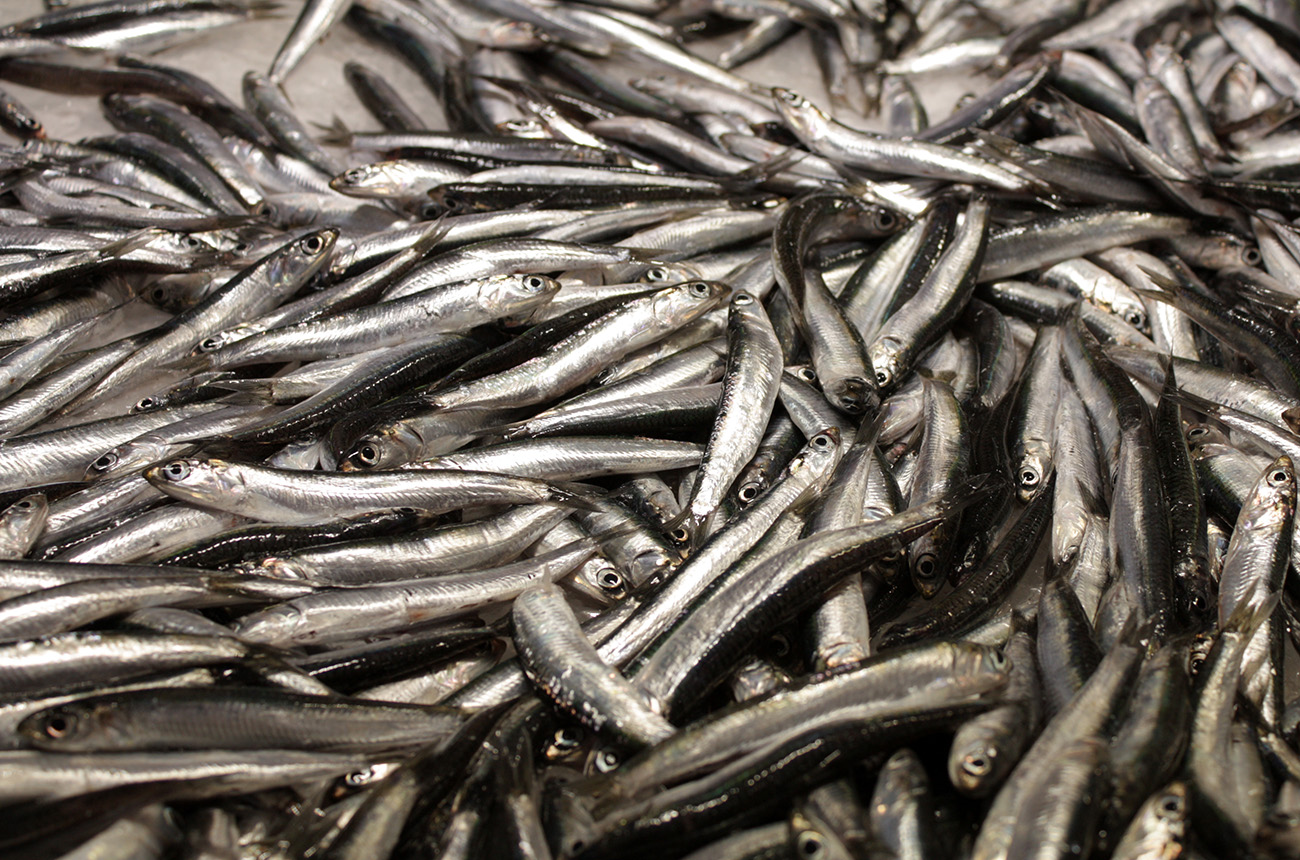
Trieste has multifarious seafood restaurants: try seafood parmigiana with Malvasia at informal, wood-panelled Osteria Salvagente (facebook.com/OsteriaSalvagente), wild-caught fish at historic Menarosti (facebook.com/p/Ristorante-Menarosti-100063766500223), and traditional sardines or home-made shrimp ravioli with Vitovska at stylish Ai Fiori (aifiori.com).
Historic cafés
Among Trieste’s historic cafés is Antico Caffè San Marco (caffesanmarco.com) established in 1914. There’s a bookshop selling English-language volumes by Trieste-based writers, and high-quality blends are sourced from family-run Trieste-based coffee trader Sandalj. The restaurant menu includes a choice of olive oils.
Osmize
The Carso’s osmize tradition involves family-run farms opening for a limited time to serve their produce: cheese, salumi, eggs and wine. Top Carso winery Zidarich (zidarich.it), with its stunning cellar carved into the rock, joins the tradition, and Merlak (facebook.com/azmerlak) makes excellent Malvasia, salumi and olive oil.
osmize.com
Places to visit in Trieste
Castello di Miramare
This spectacular seafront castle, overlooking Miramare marine reserve is a must-see. Built in gleaming white Istrian stone for 19th century Habsburg archduke Maximilian, it has remarkable original interiors and beautiful 22ha gardens (free). Arrive by train, bus or seasonal ferry.
miramare.cultura.gov.it/en
Muggia. Credit: Sarah Lane
Muggia
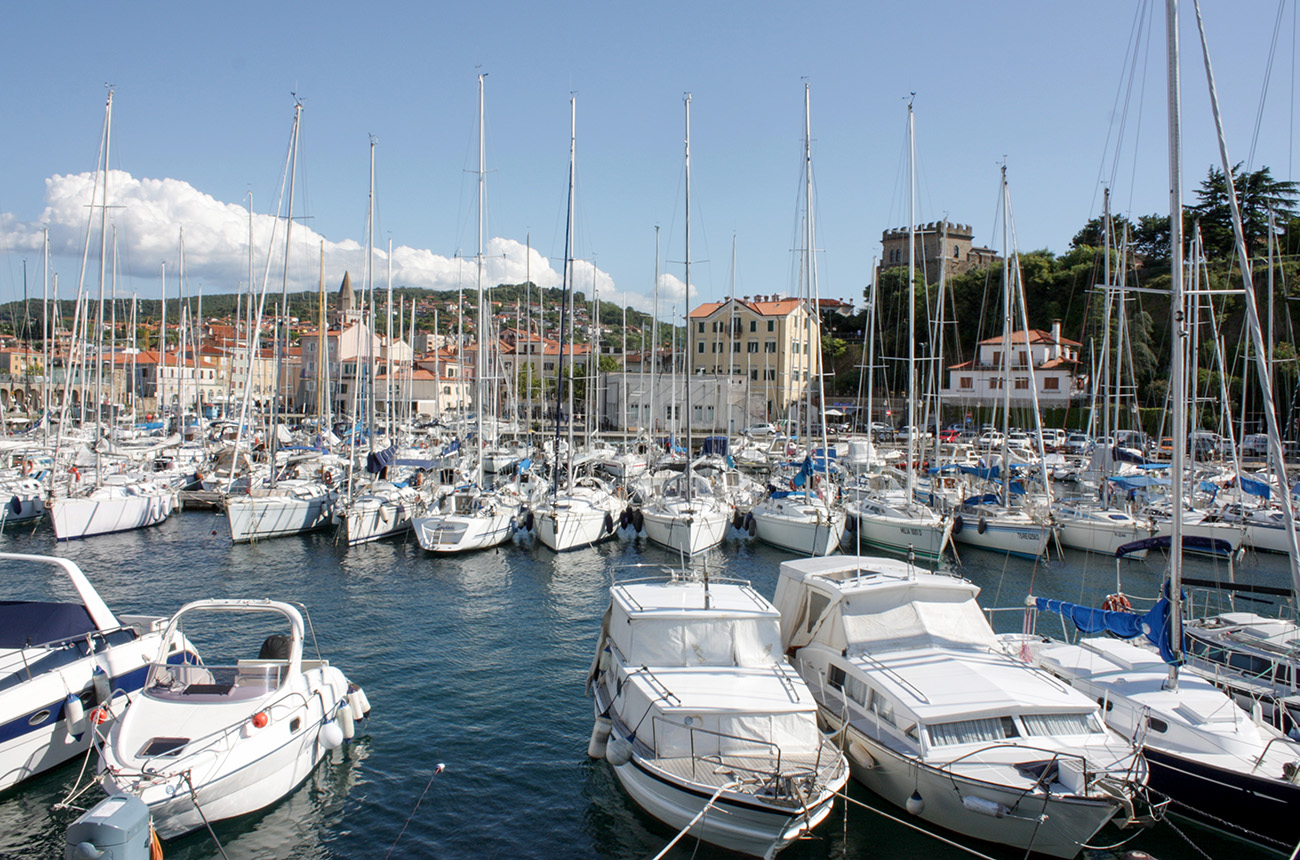
It’s a pleasant half-hour ferry trip to this charming harbour town with graceful Venetian-style architecture. While here, feast on fish and Malvasia at harbourside Sal de Mar (www.saldemar.it), and visit Bruno Lenardon’s cross-border estate for delicious wines and olive oil.
Things to know
Trains connect Trieste airport to the centre.
The city’s numerous hotels include 150 year-old Grand Hotel Duchi D’Aosta on the main piazza (duchidaosta.com), with a new spa opened in December 2025.